Met makes an arrest every 35 minutes in live facial recognition pilot
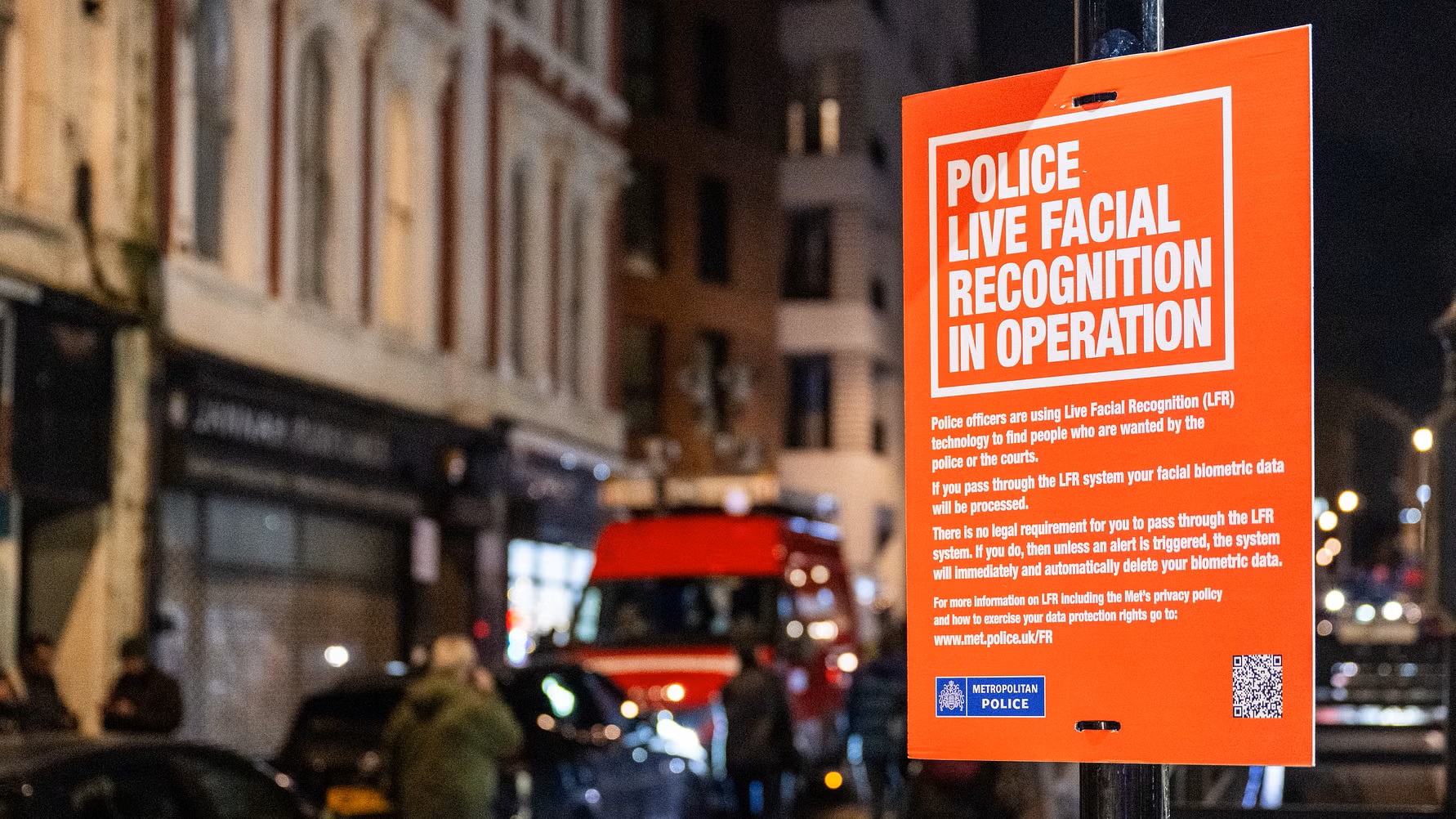
Image courtesy The Met
The results show that during the six-month pilot, crime in the area fell by 10.5% compared to the same period last year, with the biggest reduction seen in violence against women and girls’ offences, which were down by 21%.
Those arrested included people wanted for kidnap, rape and serious sexual assault, providing further evidence of the effectiveness of live facial recognition (LFR) at removing dangerous offenders from our streets.

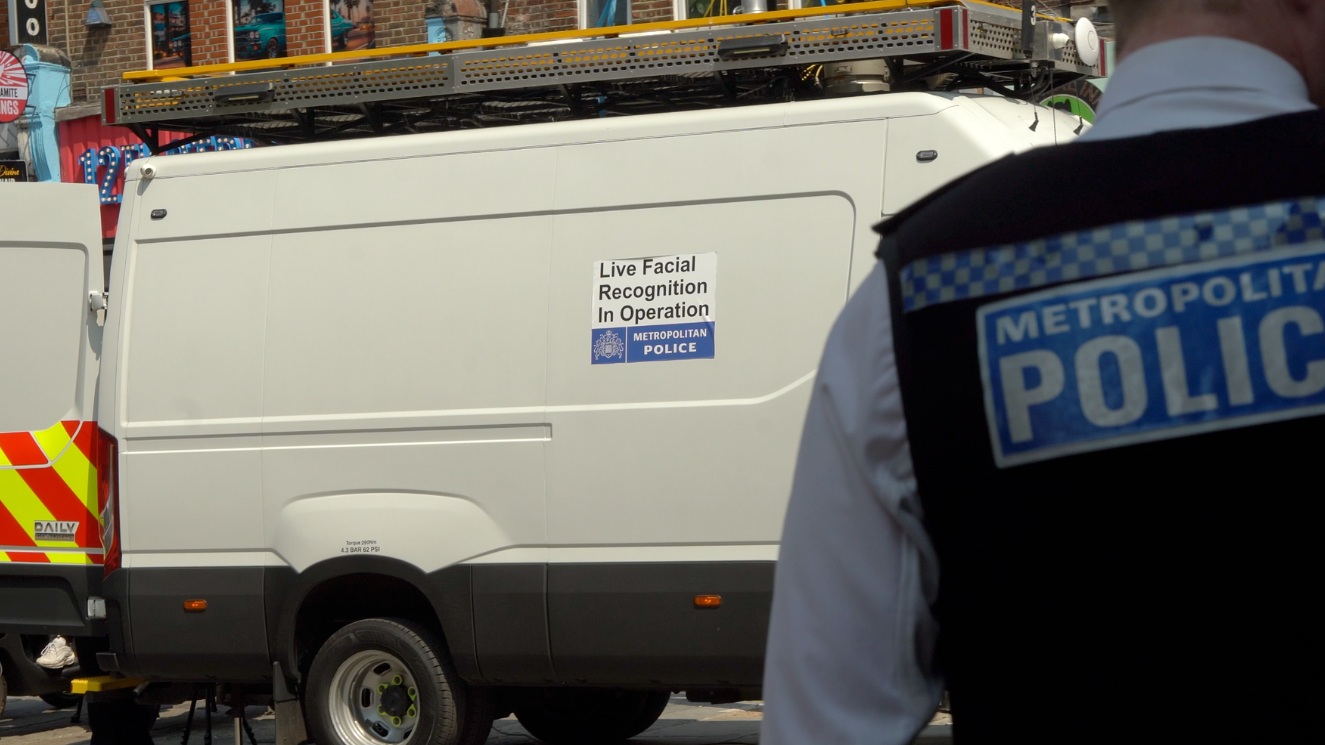
LFR deployments typically require the use of a dedicated van which houses both cameras and the computer equipment required to use them.
For the duration of the pilot – which ran from October 2025 to March 2026 – cameras were instead mounted to existing infrastructure such as lampposts, allowing officers to run deployments in a more agile way.
Officers used the static cameras as part of 24 separate operations and made 173 arrests – the equivalent of one arrest every 35 minutes.
Lindsey Chiswick, national and Met lead for live facial recognition, said: “These results show why live facial recognition is such a powerful tool when it’s used carefully, openly and in the right places. Crime in this area is down by more than 10% and the public can see the difference.
“This technology is helping us find people wanted by the courts, identify serious offenders quickly and focus our resources where they make the biggest impact, all with exceptional accuracy.
“We will continue using static cameras in Croydon as part of our regular live facial recognition deployments which play a vital part in keeping London safe.”
The operation also led to 37 arrests for breaches of court‑imposed conditions. The cameras help officers quickly identify individuals who are subject to restrictions designed to protect the public, giving them the opportunity to stop those involved and ensure compliance.
Importantly, 61% of the offences linked to arrests were committed in Croydon, highlighting the pilot’s ability to keep hotspot areas safe.
More than 470,000 people have walked past the camera and during this time there has been just one false alert. This resulted in a brief interaction with officers, who swiftly identified the alert was false and allowed the person who had been stopped to continue on their way.
No one has ever been arrested as a result of a false alert from LFR.
About the pilot
The pilot used static LFR cameras mounted on existing street furniture at two locations at the north and south ends of Croydon’s high street.
The system operates in the same way as van‑based deployments, but camera feeds are monitored remotely. This frees up specialist vans for use elsewhere and expands the Met’s overall LFR capability.
Cameras are only activated during deployments, when officers are present on the ground.
Specialist LFR officers and neighbourhood policing teams are deployed throughout each operation to engage with the public and respond to alerts.
Each deployment uses a bespoke, intelligence‑led watchlist, created no more than 24 hours in advance and deleted immediately afterwards, in line with policy.
Croydon was selected due to its status as a crime hotspot and the success of previous deployments.
The Met continues to run engagement sessions with Croydon residents and councillors, explaining how LFR works, the safeguards in place and how deployments are shaped by local intelligence.