UK budget threatens cheap airfares with double whammy of charges


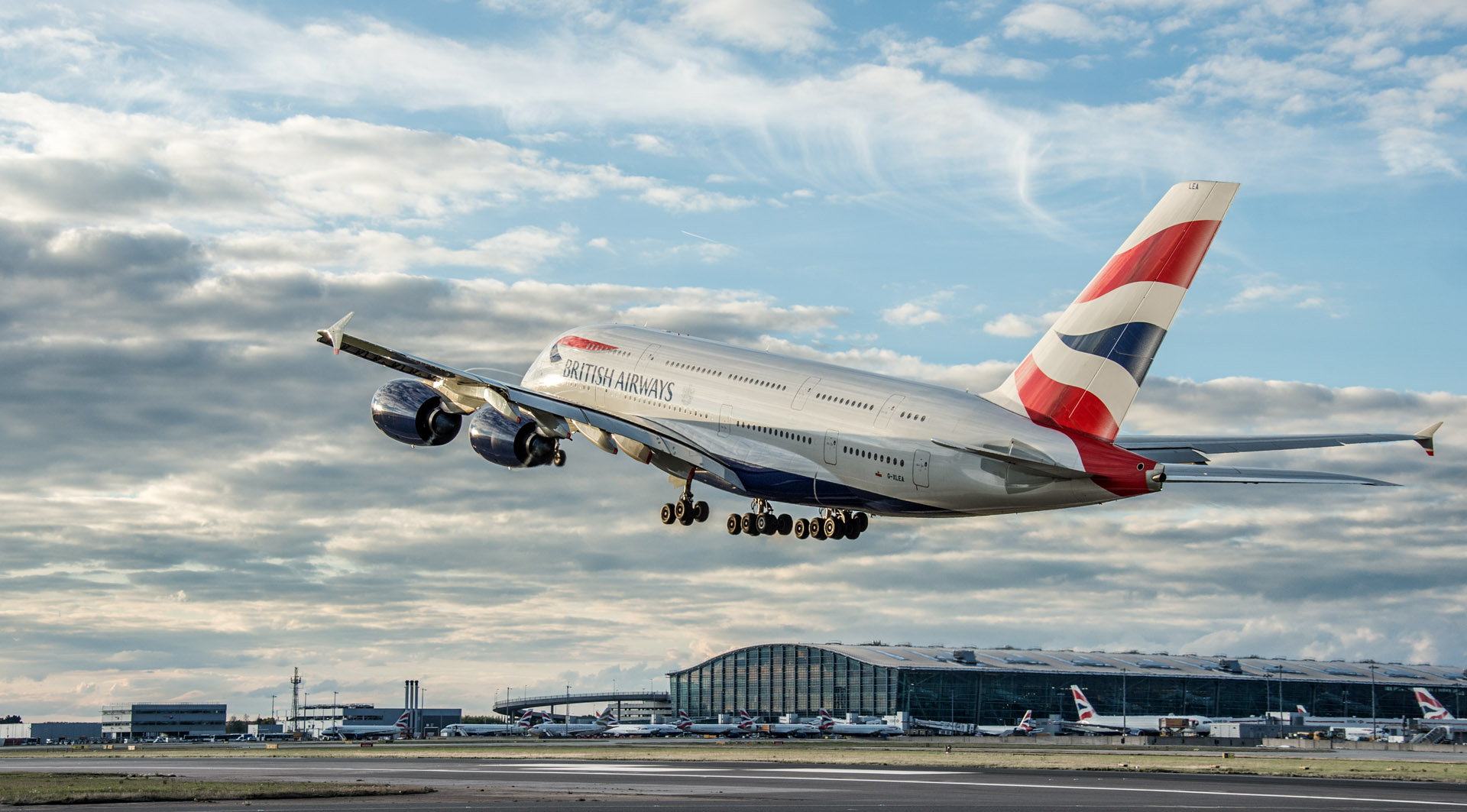
Air passengers face the prospect of higher fares as the Budget combines further Air Passenger Duty increases with plans for a carbon tariff on imported jet fuel, prompting warnings from airlines and travel industry leaders.
Britain’s holidaymakers could be hit by a double blow of additional costs following the latest Budget, with the aviation industry warning that rising taxes threaten affordable air travel and the UK’s competitiveness as an international transport hub.
Chancellor John Healey’s Budget, delivered on 28 October, has drawn criticism over plans for further increases to Air Passenger Duty (APD), alongside a proposal to extend the UK’s Carbon Border Adjustment Mechanism (CBAM) to imported jet fuel. While the APD increases will add to the tax burden on passengers, the proposed carbon tariff could introduce another layer of costs for airlines, potentially putting further pressure on ticket prices.
Airlines warn of higher fares
The Treasury’s Budget policy documents confirmed the government’s intention to expand the scope of the CBAM to cover refined products, including jet fuel. The mechanism is designed to apply a carbon-related cost to certain imported goods, reflecting the carbon costs faced by domestic producers and discouraging businesses from relocating production to avoid environmental charges.
The UK is scheduled to introduce its CBAM on January 1, 2027. However, extending the scheme to jet fuel and other refined products will be subject to consultation on its feasibility and potential impact. The proposal has nevertheless prompted a strong response from airline representatives, particularly given Britain’s reliance on imported aviation fuel.
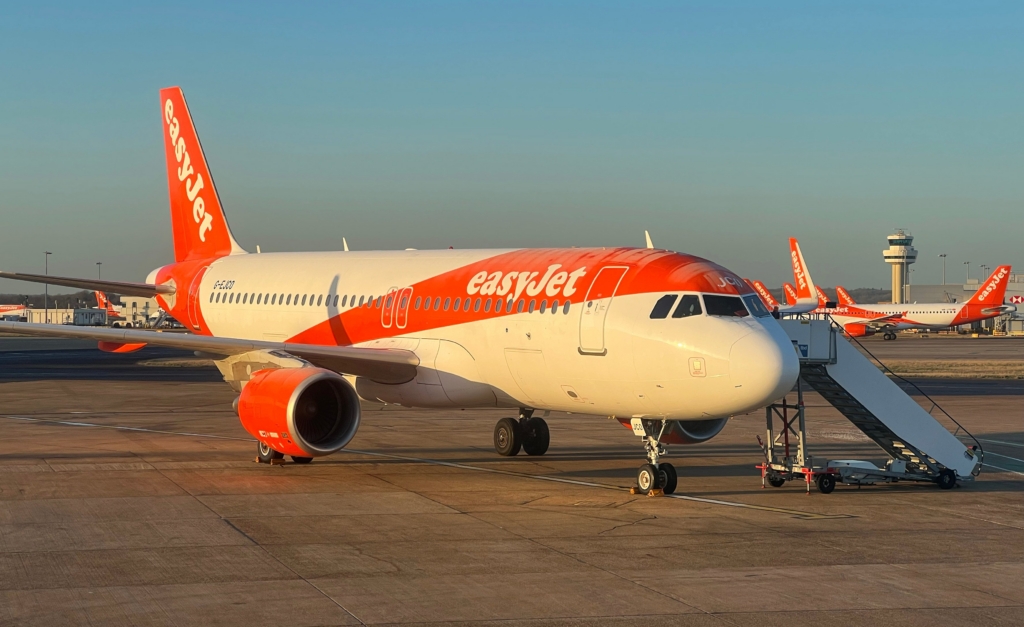
According to Travel Weekly, the UK imports approximately 75% of the kerosene used by its airlines, leaving the sector potentially exposed to additional charges on imported supplies.
Tim Alderslade, chief executive of Airlines UK, criticised the decision, saying the Budget had delivered “yet another blow to airline passengers”. He warned that the government was proposing to extend costs on imported jet fuel at a time when the UK already has some of the highest passenger taxes in the world.
“This will hit passengers at the worst possible time, pushing up fares and further eroding the UK’s competitiveness as an aviation hub that supports critical connectivity and jobs,” Alderslade added. “We urge the government to think again.” The organisation represents major carriers including easyJet, Ryanair, British Airways, Virgin Atlantic, Jet2 and TUI.
APD increases add to pressure
The proposed carbon tariff comes alongside further increases to Air Passenger Duty, the tax levied on passengers departing from UK airports. The Budget includes an inflation-linked APD increase from April 2028, following a previously announced inflationary rise due next April.
Although the latest increase was not unexpected, airlines and travel organisations had lobbied for a freeze, arguing that higher departure taxes could discourage travel and make the UK less attractive to both airlines and international visitors.
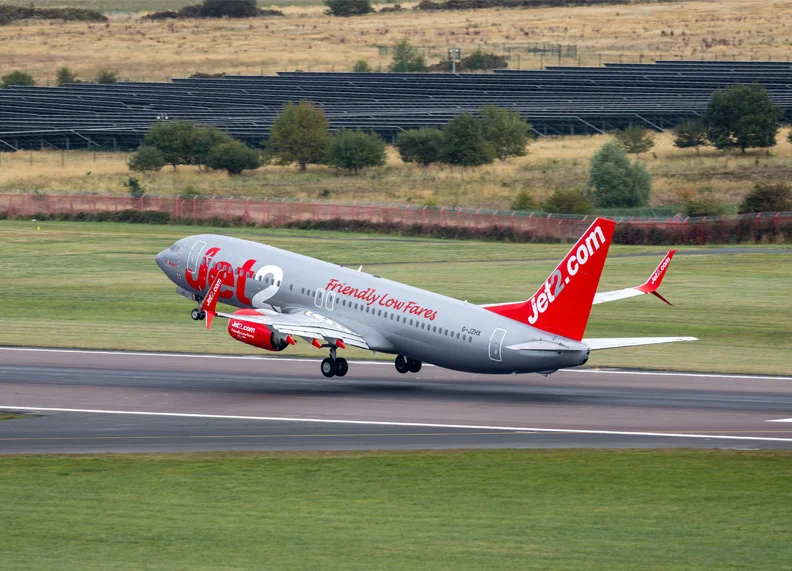
Mark Tanzer, chief executive of ABTA, told TravelMole that the UK already has some of the highest departure taxes in the world. He said the government must ensure Britain remains “a competitive place for airlines to develop the new routes that underpin growth and trade”.
ABTA had called for APD to be frozen for the remainder of the parliamentary term and for children to be exempt from the tax. Julia Lo Bue-Said, founder of the UK Outbound Travel Group, also criticised the decision, arguing that the government had missed an opportunity to ease pressure on household budgets.
She said ministers should focus on costs they directly control, including APD, warning that further increases would push up the price of holidays for families already facing financial pressures.
Travel industry fears wider impact
The potential consequences extend beyond airline passengers. Higher operating costs could affect airlines’ pricing decisions, route development and investment plans, while travel businesses may face additional challenges when selling holidays to increasingly cost-conscious consumers.
Tanzer told TravelMole that the impact of the Budget on travel demand remained uncertain, with some consumers delaying bookings until they had greater clarity about their finances. He added that rising fuel costs and wider inflation would continue to weigh on the market.
Meanwhile, Joss Croft, chief executive of UKinbound, similarly warned that the APD increase would add to the cost of travelling to and from Britain, at a time when competing destinations are working to attract international visitors and investment.
Will cheap flights become a thing of the past?
For now, the full impact of the proposed jet fuel tariff remains unclear. The government has yet to set out detailed implementation proposals, and the extension will be subject to consultation. Nevertheless, the combination of rising passenger taxes and the prospect of additional fuel-related charges has intensified concerns about the future affordability of flying from the UK.
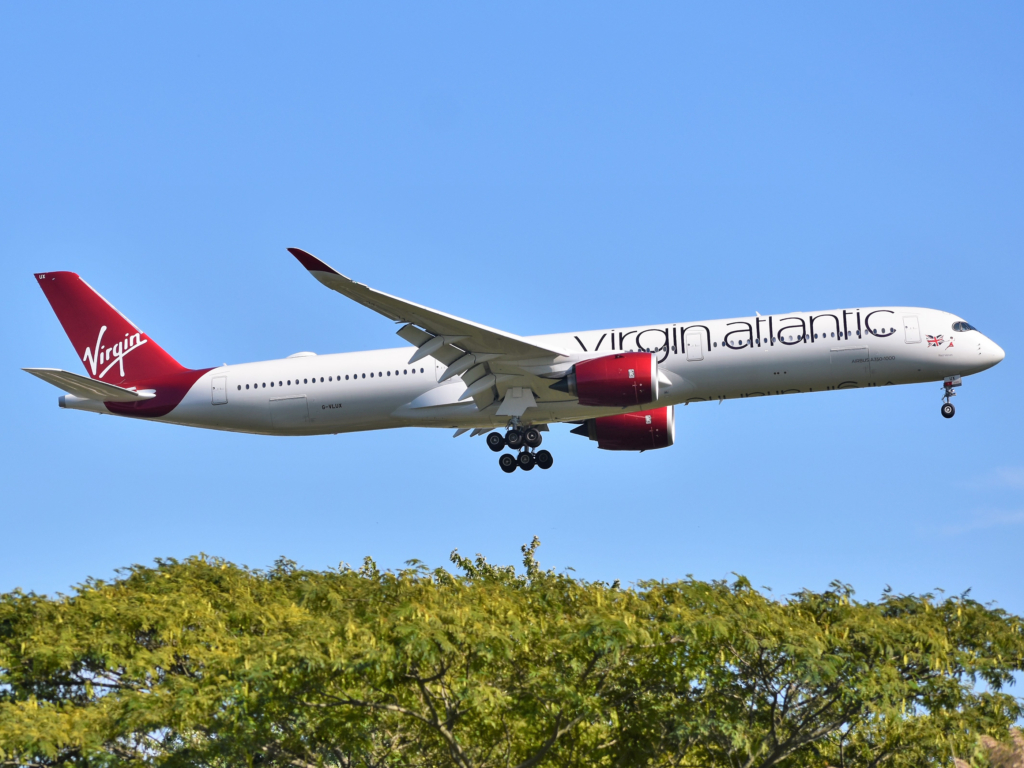
Airlines have warned that further costs could ultimately be passed on to passengers through higher fares, although the extent of any increases will depend on how the measures are implemented and how individual carriers respond.
With millions of Britons relying on affordable flights for holidays, family visits and business travel, the industry is urging ministers to consider the wider economic consequences before introducing further charges.
The coming months will be crucial in determining whether the proposed carbon tariff moves forward and how the government intends to balance its environmental objectives with the need to keep Britain connected and competitive.
Sign up for our newsletter and get our latest content in your inbox.
Similar Reads





Sign up for our newsletter. Select all sectors relevant to you.
Related