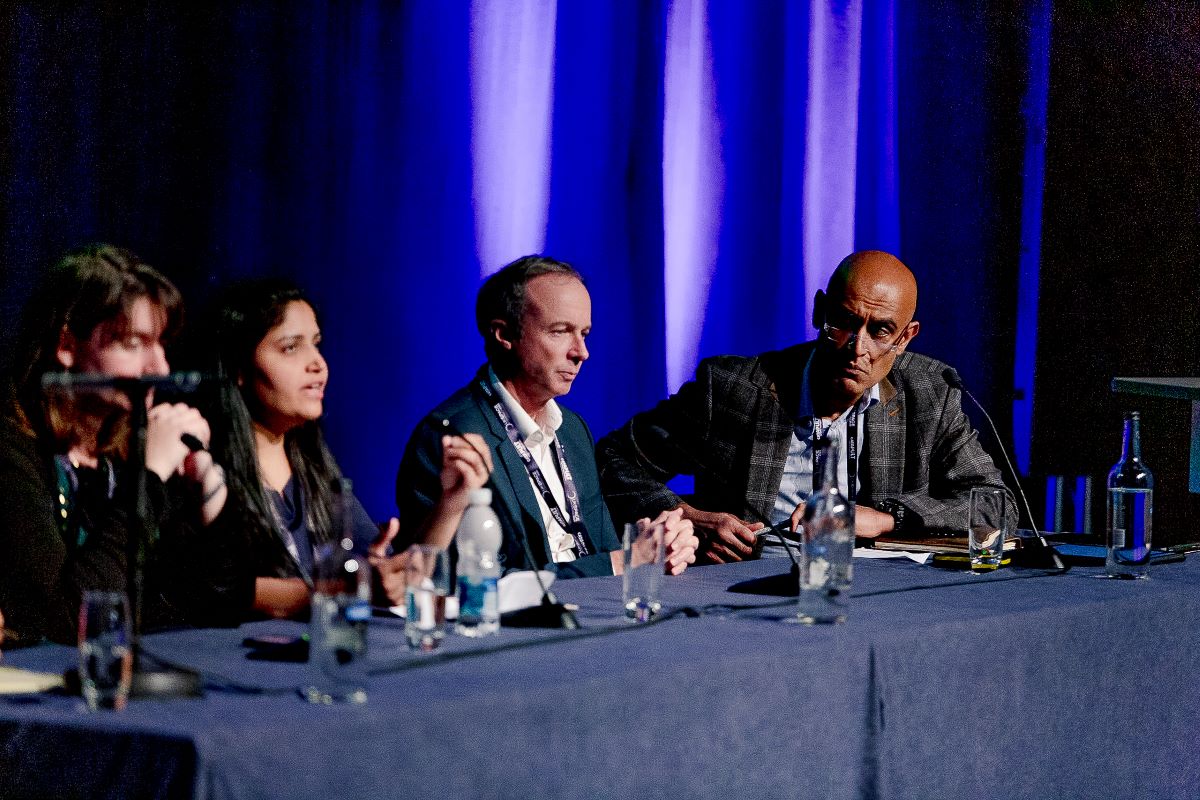
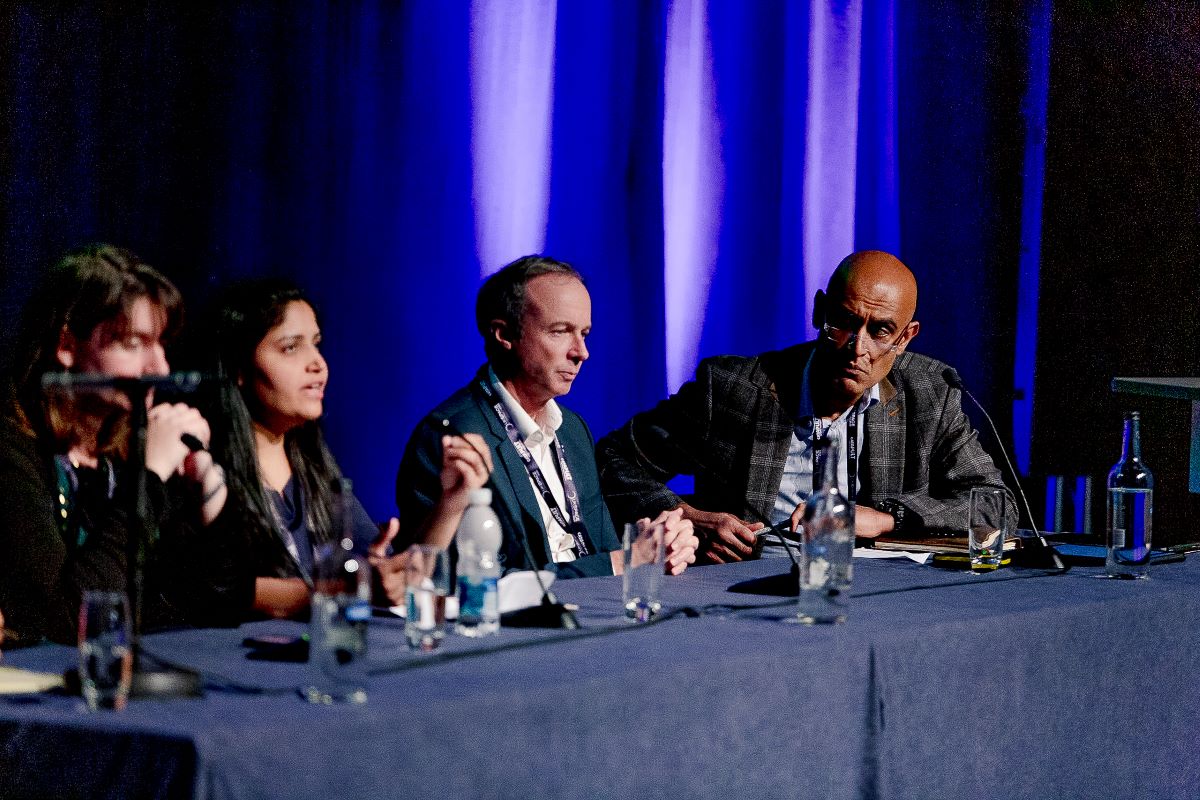
UK Space Conference returns on 16th–17th July 2025 at Manchester Central, bringing together global space leaders, policymakers, researchers and innovators to explore the theme Space for Growth.
As the UK’s official biennial space sector forum, delivered in partnership with UK Space Agency, 2025’s event will focus on practical solutions, national capability, and unlocking economic value across industry, academia, defence, and adjacent sectors.
With the UK government Industrial Strategy expected to be published in the weeks prior, UK Space Conference will be the first opportunity for UK space community thought leaders to gather and discuss its implications for the sector.
Who’s coming, and why it matters
The event will attract up to 2,000 business leaders, government decision-makers, researchers, technologists, investors, and entrepreneurs from across the UK and around the world.
It’s where aerospace meets advanced manufacturing, where engineers meet investors, where policymakers meet startups, and where the next generation of talent sees what’s possible. Non-space organisations are urged to attend to explore growing supply chain opportunities in this fast-evolving space economy.
Agenda highlights – action, insight, and collaboration
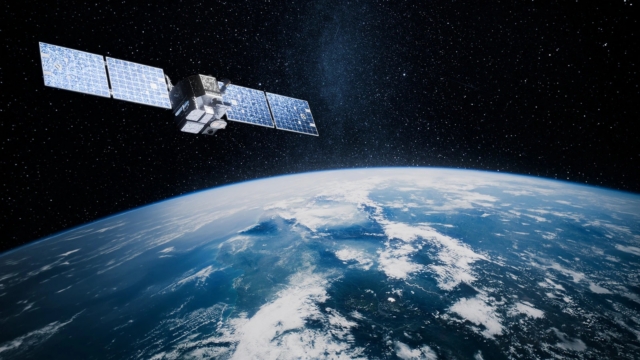
From satellite comms and secure navigation to Earth observation, space now touches virtually every part of our lives. This year’s agenda reflects that shift – connecting people across disciplines to share insight, spark partnerships, and unlock growth across the whole economy.
With the theme of Space for Growth, the programme tackles the sector’s biggest questions:
●How can space drive long-term economic growth for the UK?
●What will it take to build the workforce we need for the future?
●How do we create sustainable value in exploration?
●What does it mean to turn national capability into national impact?
Key plenary sessions will explore how space supports critical national priorities, from connectivity, sustainability and climate science to defence and clean energy. Other sessions will dive into skills, investment, commercialisation, regulation, and the UK’s role on the global stage.
The agenda reflects the UK’s collaborative approach, bringing together government, industry, and academia.
Manchester: The perfect host for a future-facing conversation
With its roots in science, innovation, and manufacturing, Manchester is the ideal setting for a conversation about growth. As the space sector becomes more integrated with industries like engineering, AI, energy, and finance, Manchester offers a fertile landscape for cross-sector collaboration – world-class research, high-value manufacturing, and a growing space cluster already contributing to national space capability.
Hosting the UK Space Conference in Manchester is both a nod to heritage and a call to action. It’s a chance for regional leaders and local innovators to engage directly with the national agenda, and to explore how space can support local priorities in skills, economic development, and technology.
Prof Anu Ojha, Director of Championing Space at the UK Space Agency, said: "We are already living in a space age. More than £350 billion of annual UK economic activity, 16% of our total GDP, depends on services from space such as position, navigation, timing and communications capabilities supporting our financial, energy distribution and commercial sectors. With strengths in science, data, manufacturing and regulation, the UK can attract increasing levels of investment and play a leading role in the global space sector. The challenge is to connect the opportunity to regions, businesses and people who don’t see themselves as part of this narrative. That’s how we’ll build a space economy that truly works for the whole nation. Growth doesn’t start in space; it comes from the connections we build at events like the UK Space Conference.”
Speaking exclusively to Advance, Marshall Aerospace discusses its military aircraft contracts, manufacturing priorities and search for a new home following the takeover.
Aircraft manufacturers are under pressure to deliver faster, but supply-chain constraints continue to hold production back. What will it take to turn growing orderbooks into aircraft ready to fly?
Jack Maxton, CEO of DIGI2AL, argues that faster experimentation, closer industry collaboration and a shift in mindset can help the MOD turn AI ambitions into operational advantage.
Building on its space-hardened family of software-defined radios, BAE Systems will develop resilient ultra-compact radio-frequency (RF) terminals for the US Space Force.
Viasat has placed an order for multiple ALL.SPACE Hydra MAX terminals approved to operate on Viasat's global NextGen Ka-band network, providing resilient SATCOM connectivity for defence and government users.
Cornwall Space Cluster has partnered with Stephens Scown to offer specialist legal advice to space businesses, helping them protect intellectual property, prepare for investment and support future growth.
The UK-led programme will remove two defunct satellites while creating specialist jobs, supporting supply chains and building capability in the growing in-orbit services sector.
As the National Armaments Director (NAD) and the Chief of the Defence Staff (CDS) launched DSEI UK 2027 yesterday, they said faster capability delivery, greater innovation and improved readiness are required to ensure the UK and its allies are suitably prepared for any future conflict.