

UK helped foil Russian operation targeting vital Arctic subsea cables


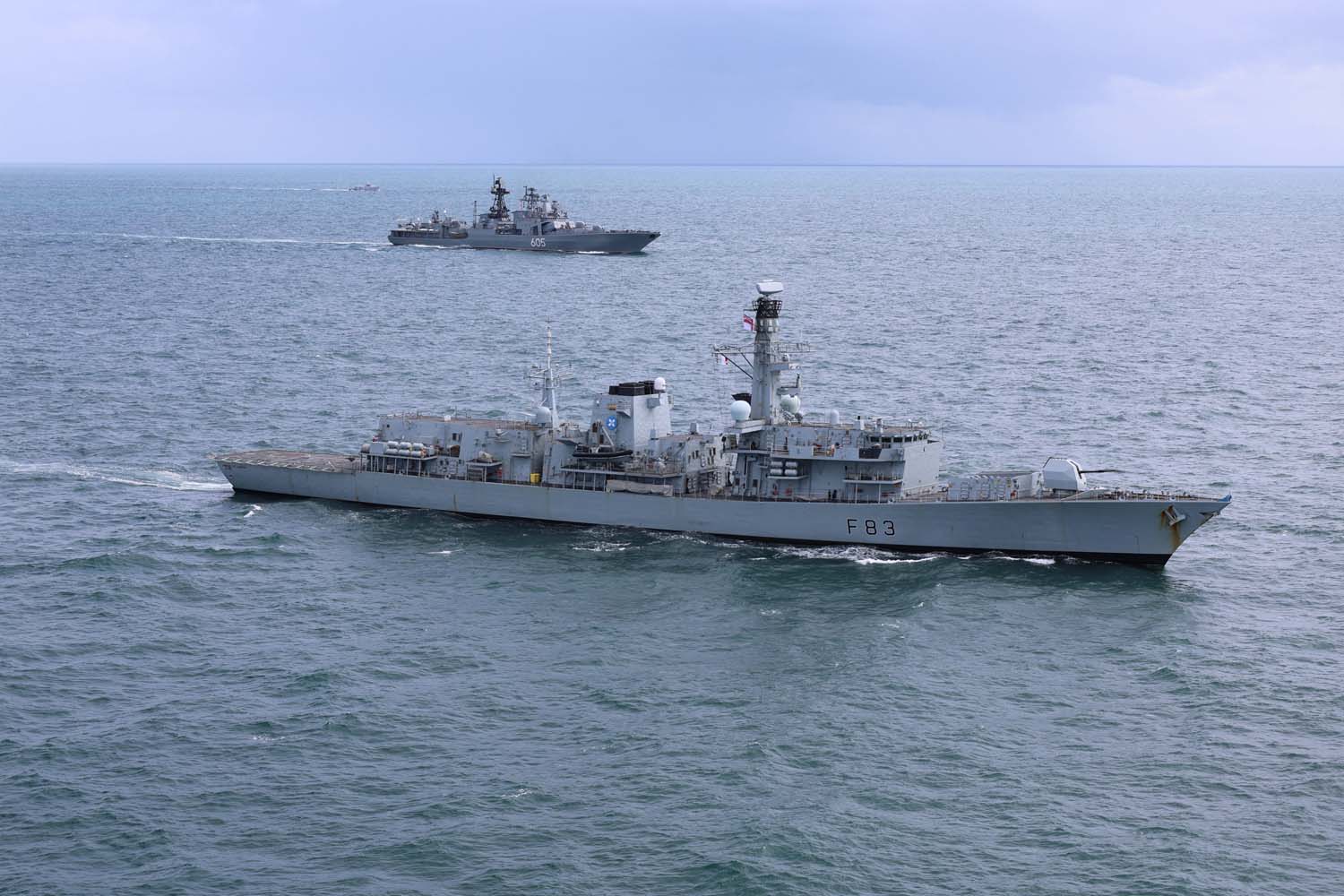
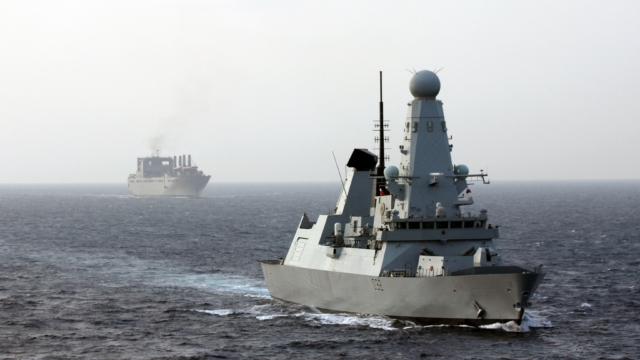
NATO allies including the UK, Norway and the United States reportedly thwarted a covert Russian operation in Arctic waters aimed at rehearsing attacks on critical subsea infrastructure.
According to a new Reuters report, which cites two unnamed Western officials, NATO allies “caught Russian subs training to unleash a secret weapon,” which was designed to disable critical undersea cables.
The weapon was intended not to leave any “fingerprints” and give Russia plausible deniability. The Russian submarine was found in the deep Arctic waters near Norway’s northern Svalbard archipelago. According to the report, the Russian vessel eventually left, and no cables were damaged.
The clandestine Russian training operation is said to have occurred last spring, allegedly under the direction of Moscow’s GUGI undersea warfare directorate.
The UK and Norway reported on the incident in April. At the time, Defence Minister John Healey said, “We see you. We see your activity over our cables and our pipelines.” He also said, “Their attempted secret operation had been exposed.”
New Russian weapon and US involvement reported
According to the report, NATO force are said to have discovered a new weapon that uses deep-sea submersibles to simulate the deployment of the destructive system. The Western officials did not disclose how the sophisticated new technology works.
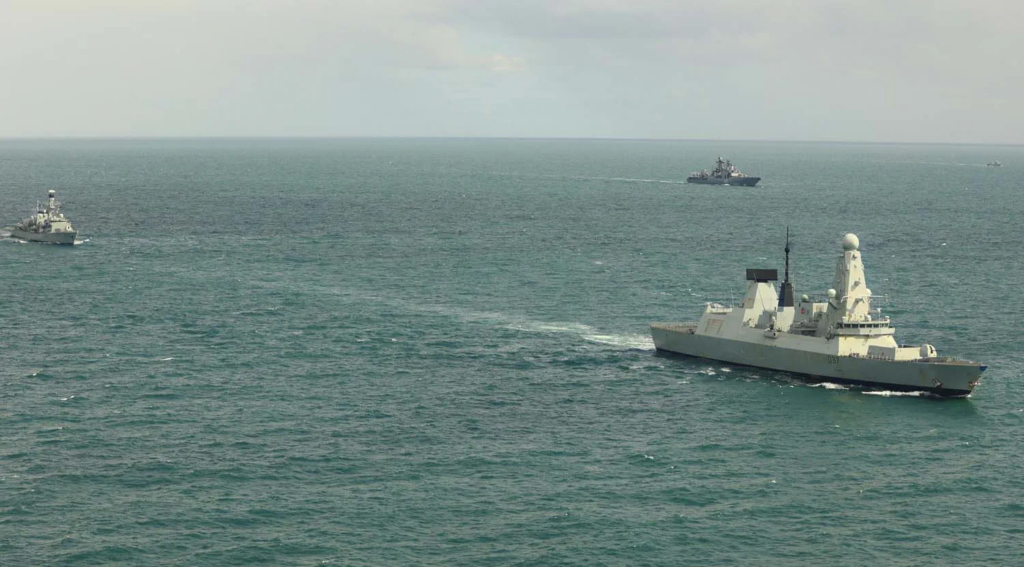
Also learned from the Reuters report is that a joint British, Norwegian, and American operation tracked and confronted Russian vessels at sea, preventing them from carrying out the exercise. It was also previously unknown that the US had been involved or that the incident took place near Svalbard.
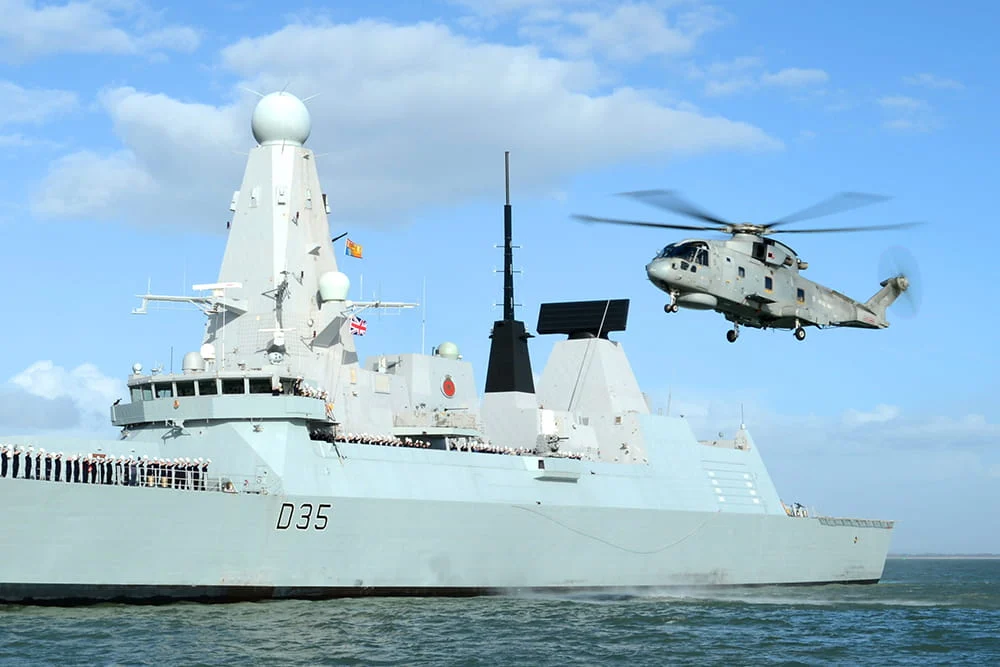
Norway’s Defence Minister Tore Sandvik said in a statement, “We have made it unequivocally clear to Russian authorities that any attempt to target our critical infrastructure will be detected and met with consequences.”
British and Norwegian informed Moscow of their findings, letting Russia know they are aware of its new technology. The hope is that this will make Russia more hesitant to use it as plausible deniability is reduced.
Growing fear of Russian hybrid attacks and sabotage in Europe
Subsea cables are a particular concern for Russian potential sabotage. The two 1,400-kilometre-long cables that connect Svalbard to the Norwegian mainland carry data from the SvalSat satellite ground station. The station is the largest of its type and is part of NASA’s Near Space Network.
The news comes after the CIA Director John Ratcliffe flew to Moscow to meet his Russian counterpart. The last time this happened was in 2021, when the US warned Russia not to invade Ukraine.
Some Western intelligence officials now fear Moscow is ramping up its hybrid attacks in Europe and may test NATO’s Article 5 mutual defence pact.

Last week, Germany officially blamed Russia for a failed attack on a parked Ukrainian An-124 transport aircraft at its Leipzig/Halle Airport. In the UK, the Royal Navy has reported a surge of Russian activity, while Russia has threatened to seize British vessels.
While defence budgets are rising now, the Brookings Institution notes that over the last 25 years Europe has dramatically increased its reliance on subsea infrastructure while dramatically decreasing its ability to protect it.
Sign up for our newsletter and get our latest content in your inbox.
Similar Reads




Sign up for our newsletter. Select all sectors relevant to you.
Related