

Tories pledge £10bn for “Britannia Shield” missile and drone defence system


The Conservatives have pledged up to £10 billion for “Britannia Shield”, a proposed UK air and missile defence network which would protect military bases and critical infrastructure from drones and missiles.
The proposed system would combine radar, command-and-control networks, interceptor missiles and counter-drone weapons. The Conservatives describe it as an integrated missile and drone defence system designed to defend critical assets against emerging aerial threats.
Conservative leader Kemi Badenoch first compared the proposal with Israel’s Iron Dome. However, she later told the BBC that Britain would not replicate the Israeli system.
“We are not building the Iron Dome,” Badenoch said. “We are designing something specific for the kind of threat that we face here.”
The Conservatives would allocate £1 billion a year to Britannia Shield for 10 years, funded within the party’s commitment to spend 3% of GDP on defence by 2030.
What would Britannia Shield do?
Britannia Shield would have three main components: advanced radar to detect incoming threats, upgraded command-and-control systems to coordinate Britain’s response, and interceptor missiles and counter-drone weapons.
The network would protect critical national infrastructure, military bases and UK sovereign territories rather than attempting to defend every part of the country.
Britannia Shield would build on existing UK air defence capabilities, including Sky Sabre, RAF combat aircraft, Royal Navy air-defence destroyers and the government’s developing Integrated Air and Missile Defence (IAMD) architecture.
Badenoch argued that recent conflicts demonstrated a changing threat. Russia’s war in Ukraine and conflicts in the Middle East have shown how attackers can combine ballistic and cruise missiles with large numbers of relatively inexpensive drones.
“There is a new type of warfare,” she told the BBC. “Drone warfare requires a different type of missile defence.”
She said drones and missiles launched from relatively close to the UK could threaten critical infrastructure.
What missile defences does Britain already have?
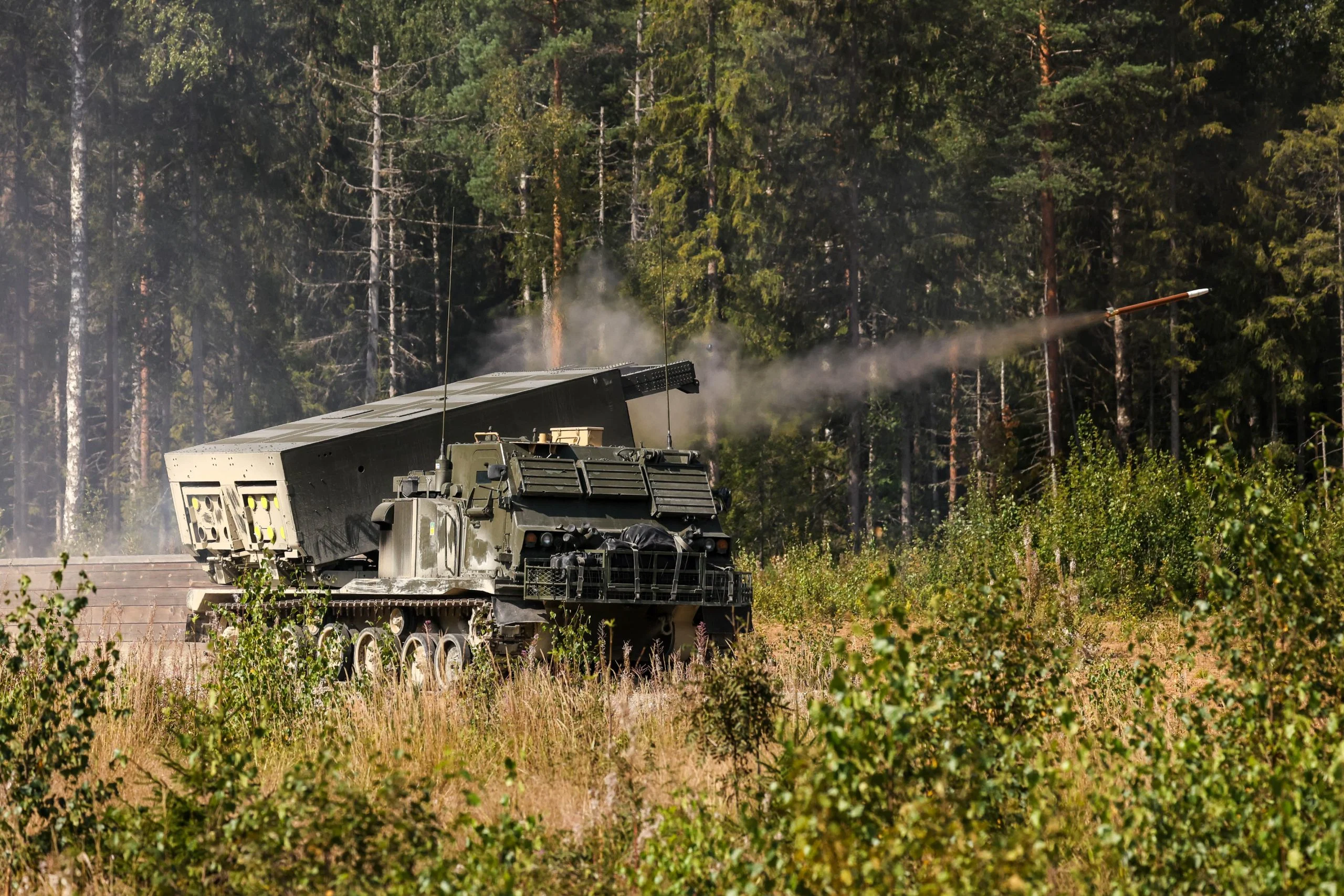
The British Army’s principal land-based system is Sky Sabre, which combines Saab’s Giraffe Agile Multi Beam radar, command-and-control equipment and Land Ceptor missiles based on MBDA’s Common Anti-Air Modular Missile (CAMM). Sky Sabre can operate as part of a wider air defence network rather than functioning as a standalone missile battery.
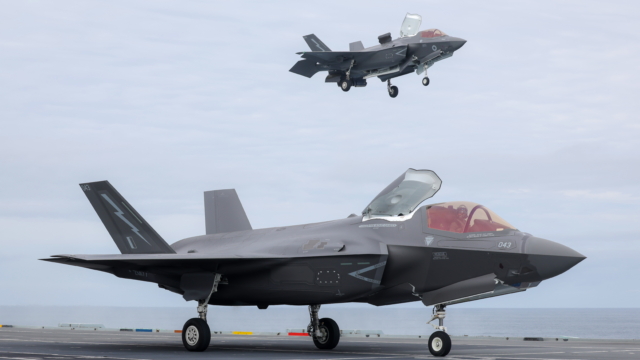
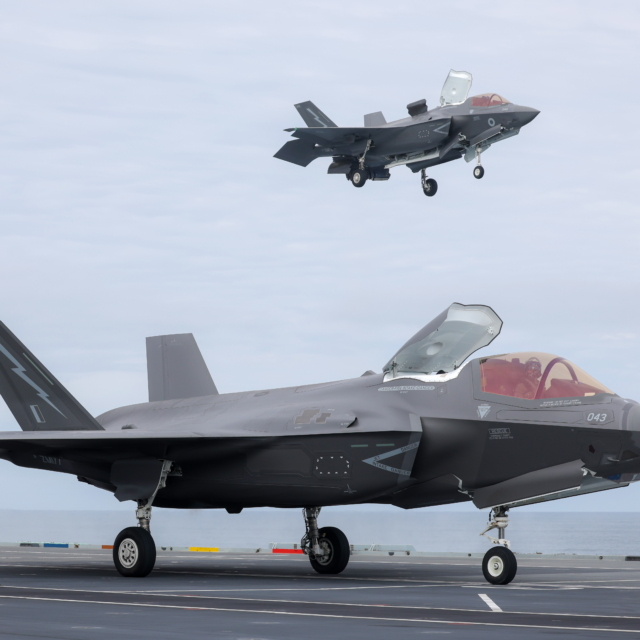
The UK also has air defence capabilities through RAF combat aircraft and Royal Navy warships, including the Type 45 destroyer.
The current government is already investing in a wider Integrated Air and Missile Defence (IAMD) network to connect these capabilities and contribute to NATO’s wider defences.
The government’s Defence Investment Plan includes more than £350 million to double the number of Sky Sabre systems operated by the British Army.
Is Britannia Shield a UK Iron Dome?
Despite the initial comparison, Conservative leaders have stressed that Britannia Shield would not be a direct UK version of Israel’s Iron Dome.
Israel’s Iron Dome is specifically designed to intercept short-range rockets and other aerial threats. Israel’s wider national defence network also includes systems such as David’s Sling and Arrow to tackle threats at different ranges and altitudes.
Britannia Shield would instead integrate different British sensors and weapons into a broader national air and missile defence network. Ground-based systems would complement air and maritime defences rather than forming a UK equivalent of Israel’s Iron Dome.
General Sir Richard Barrons, former commander of Joint Forces Command, told the House of Commons Defence Committee earlier this year that comprehensive national missile defence would be considerably more expensive.
“The cost of an Iron Dome at entry level is probably £80 billion over 10 years,” Barrons told MPs.
He estimated that the Integrated Air and Missile Defence capability he considered necessary could cost around £120 billion over a decade.
Britannia Shield would have a more limited objective. Sidharth Kaushal, a senior fellow at the Royal United Services Institute, told the BBC that £10 billion would “probably cover” what the UK actually needs, potentially including horizon radar and more E-7 Wedgetail airborne early warning aircraft. To build an Israeli-style multilayered system, he said £10 billion “probably wouldn’t get there.”
Why does Britain need stronger air defence?
The UK’s limited ground-based air defence capability has already attracted scrutiny.
A parliamentary Defence Committee report warned that the UK was lagging behind some European allies in preparing to defend the country and its overseas territories against military attack.
The issue has become more urgent as NATO countries respond to the rapid development of drones and long-range precision weapons.
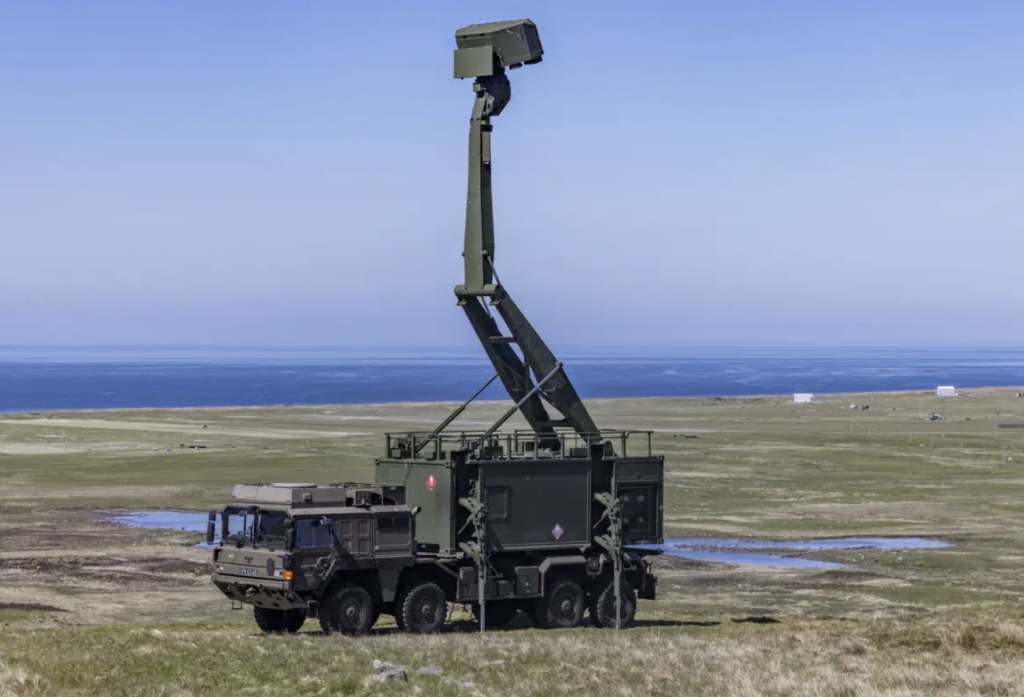
Sky Sabre was deployed to the Middle East earlier this year as the UK strengthened its defences against Iranian attacks.
The government’s own investment plans recognise the growing requirement. Ground-based air defence forms part of a wider system involving RAF aircraft, Royal Navy ships, surveillance assets and NATO capabilities.
How would Britannia Shield differ from government plans?
The Labour government is already expanding Sky Sabre and developing Britain’s Integrated Air and Missile Defence capability. The Conservatives would earmark £10 billion over a decade specifically for Britannia Shield. However, important details remain unclear.
The Conservatives have not specified how many additional interceptor systems would be purchased, which missiles would be used, how many locations would be protected or how the system would integrate with existing Army, RAF, Royal Navy and NATO capabilities.
Sign up for our newsletter and get our latest content in your inbox.
Similar Reads


Sign up for our newsletter. Select all sectors relevant to you.
Related