Rising airline jet fuel costs could affect UK aerospace investment and regional routes


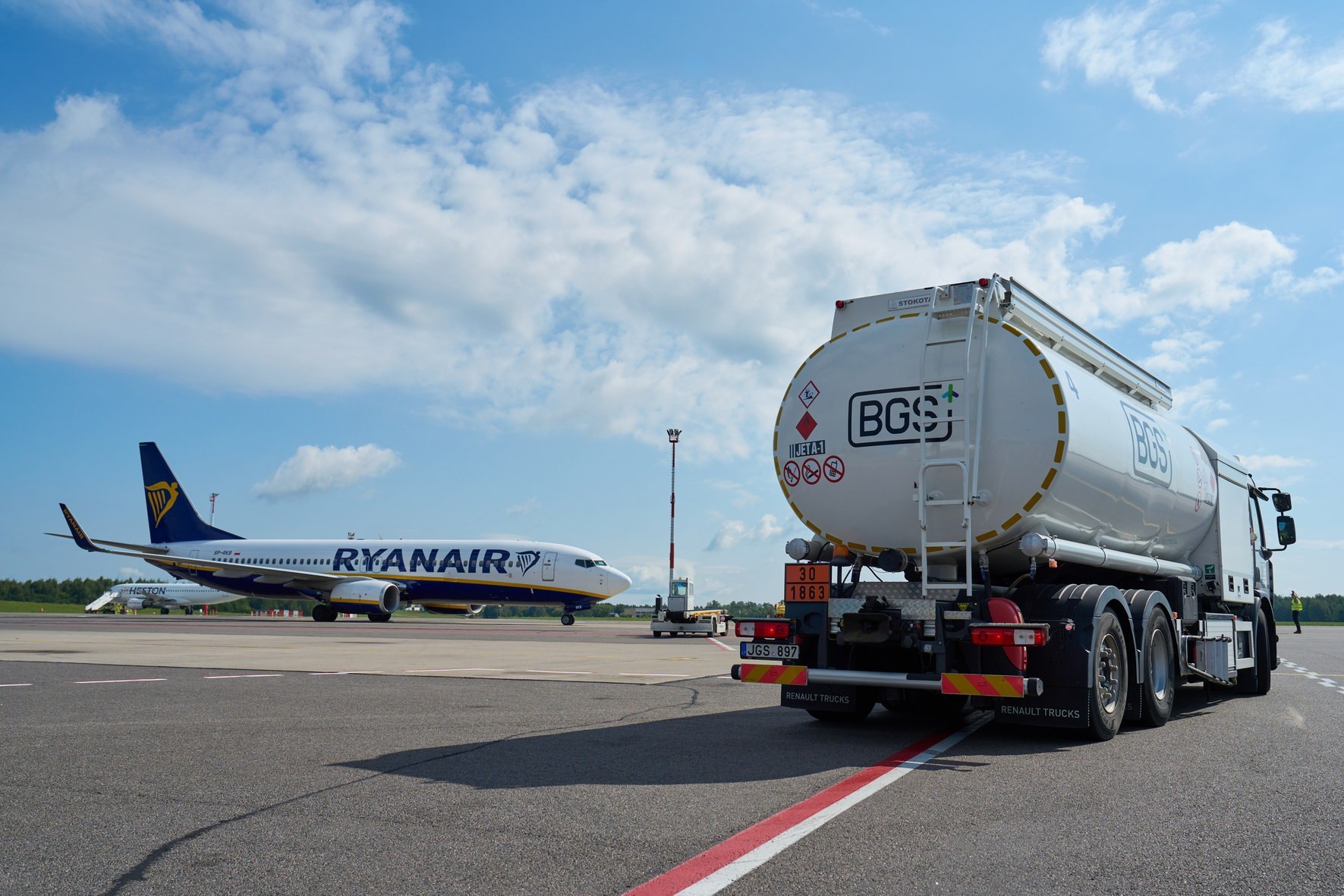
Rising fuel costs are pressuring airline finances, with possible consequences for aircraft investment, maintenance spending and regional air services in the UK.
Ryanair chief executive Michael O’Leary warned on 20 October that European airfares could increase by 10% to 20% in 2027 as airlines face higher fuel bills.
Ryanair has hedged around 80% of its fuel requirements at $67 per barrel through March 2027. However, only 15% of its fuel for the following financial year is covered at $85 per barrel, leaving the airline exposed to higher market prices.
The International Air Transport Association (IATA) forecasts jet fuel prices will average $152 per barrel in 2026, up from $90 in 2025. Higher fuel prices have reduced the industry’s profit outlook.
easyJet reported a £105 million annual increase in fuel costs in July. The airline has also announced plans to cut 700,000 seats from its winter schedule to reduce fuel consumption.
Aircraft investment and maintenance
Higher operating costs could lead airlines to defer cabin upgrades and other discretionary investment.
Newer aircraft offer better fuel efficiency. However, production delays at Airbus and Boeing have already forced airlines to retain older aircraft longer than planned.
Extended aircraft service lives increase demand for inspections, engine repairs and replacement components.
GE Aerospace reported a 21% increase in commercial engine and services revenue in the third quarter of 2026, supported by demand for repairs and spare parts.
In July, UK Export Finance announced a £750 million financing framework with GE Aerospace to support airline engine maintenance at facilities in Wales and Scotland.
Regional airports face capacity pressures
Airlines are also reducing capacity in response to higher costs.
Ryanair announced plans to remove 20 routes and more than one million seats from its Belgian winter schedule after aviation taxes rose from €2 to €7 per passenger. Although the Belgian cuts are tax-related, higher fuel costs add to the financial pressure on routes with lower passenger demand.
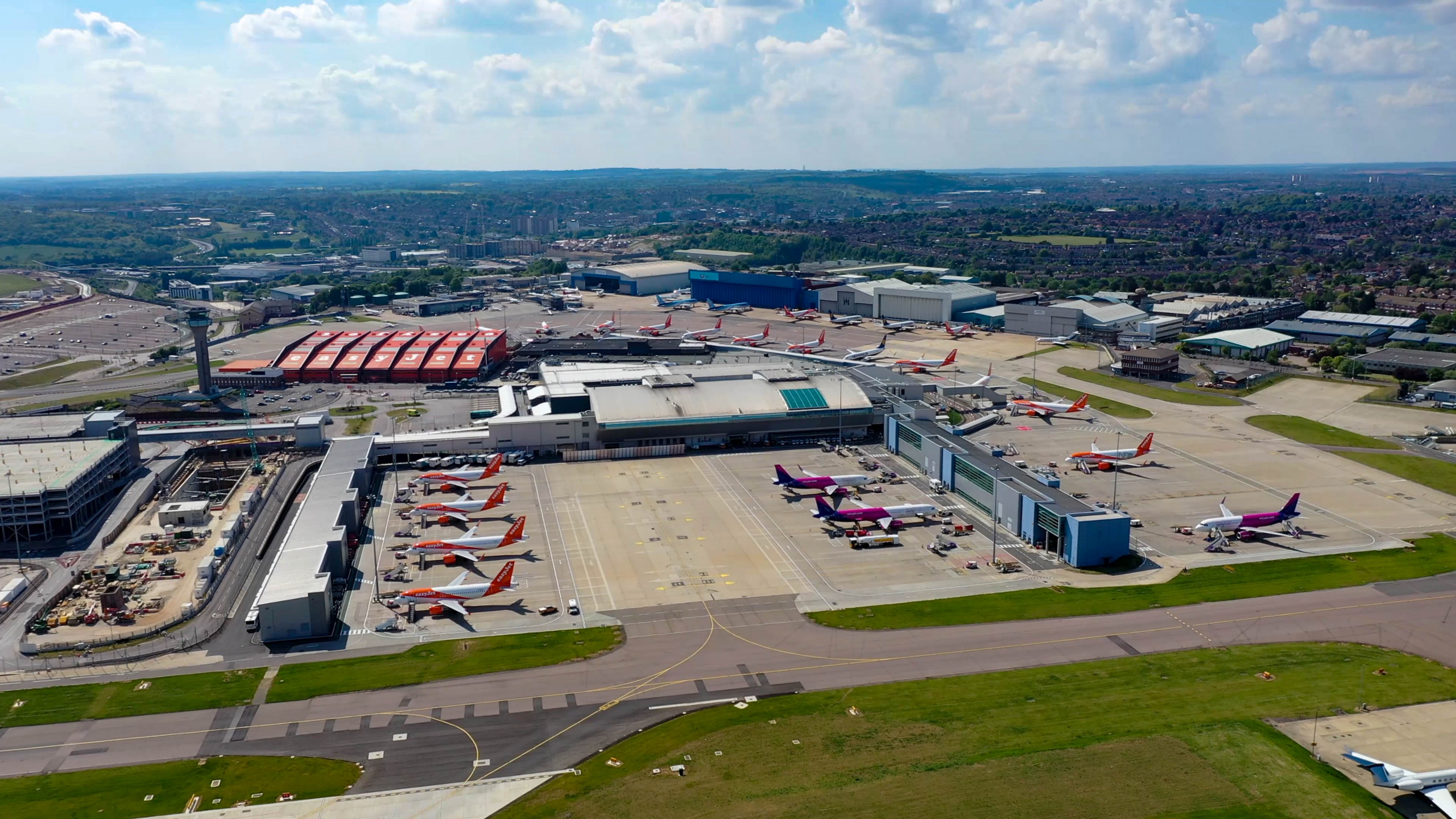
For UK regional airports, reductions in airline capacity would affect passenger and landing charges, as well as ground handling and other airport services.
The Department for Transport supports some domestic connections through Public Service Obligations (PSOs), including routes linking Dundee and Derry with London. Most regional services operate commercially without this protection.
UK aerospace suppliers retain strong order backlog
Despite higher airline costs, commercial aircraft manufacturers continue to hold substantial order backlogs.
ADS reported that the global aircraft backlog reached 17,037 aircraft in July 2026, representing a potential £395 billion in value to the UK aerospace industry.
The latest ADS figures for August put the backlog at 17,010 aircraft, equivalent to more than 12 years of production at current delivery rates.
Aircraft manufacturers delivered 903 aircraft during the first eight months of 2026, up 9% on the same period last year. ADS has warned that workforce shortages and supply chain constraints continue to restrict production.
While airline fuel costs have not yet led to aircraft order cancellations, airlines facing reduced profitability could shift delivery schedules, affecting the timing of work for UK aerospace suppliers.
Sign up for our newsletter and get our latest content in your inbox.
Similar Reads



Sign up for our newsletter. Select all sectors relevant to you.
Related